I took a class at USF once titled Feminist Digital Humanities. Seeing it on my schedule when I’d registered for Feminist Critical Theory, I was initially a big disappointment. I imagined someone had decided we literature students needed a hefty dose of analyzing literature specifically written for or on the most modern delivery systems and, at the end of the day, I just wanted to think about words and sentences, not 1s and 0s. To my surprise however, the course was designed by a professor with one foot deep in the Lit department and another solidly grounded in the Women’s Studies department and her curriculum was outstanding!
It turned out I’d been very wrong to imagine that thinking critically about language and literature AND thinking critically about the means of their delivery were separable. The people who built and refined the programming foundations on which this and literally every other platform we’re all using to access and transmit information and communication made very specific decisions about what we can and cannot communicate, how we can and cannot communicate it. And when you google those people, all their little black stars are in the exact same spots.
So, a few years ago, when, as I was jotting down a brief bio of the author about whose novel my essay was going to analyze, I wanted to use the word mothered as a verb in precisely the same way father is used as a verb to acknowledge–but not dwell on–the fact of her having brought a certain number of people into the world via sexual reproduction during her lifetime. Google, the proper noun, was able to discern my intended part of speech and intended meaning and so alerted me with the same red squiggle you see in this screenshot that I had misspelled the verb fathered. Seething, I persisted with my usage but not without having to first click on the little [x] over that by design attention-arresting squiggle to tell Google that this author didn’t need my essay about her authorship to get into–just because she was a woman–how and to what extent she had once provided childcare.
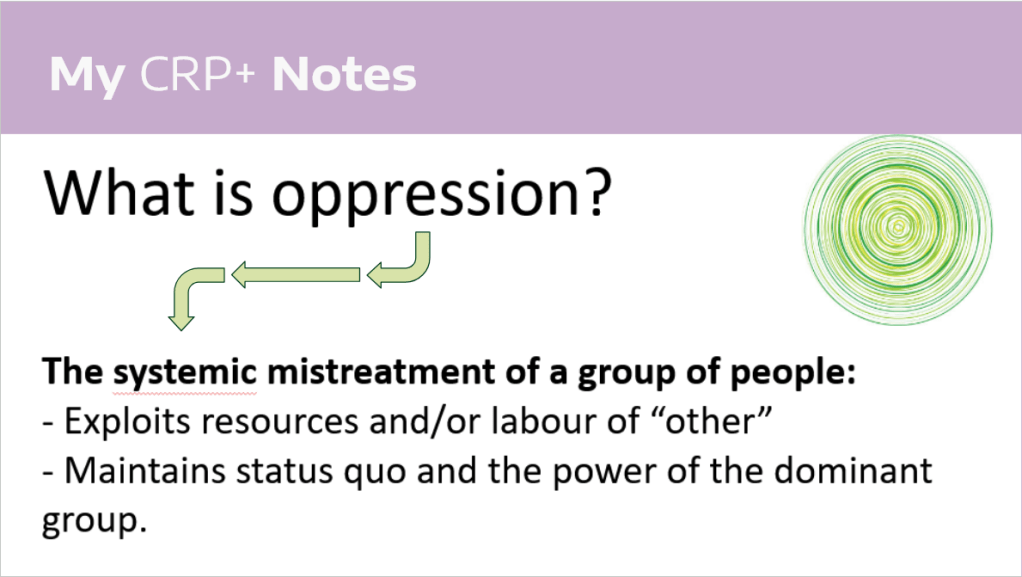
A few minutes ago, I was checking out some of the first resources of our new unit, one being the deck in which this slide appears. As I have for the last many years, I recognized Google trying to alert me to the importance of the matter that there is no adjective form of system in the English language and that therefore, I had surely mistyped systematize. And THAT is one little bitty example of how Google systematizes its oppression, its own erasure, of those most needing to dialogue about all the systemic inequities people face in our physical, political, and digital operating systems.



 small Matters Learning
Leave a comment